Last Updated: April 2026

11+ Yrs IT Administration, Virtualization Specialist 4+ Years Testing Laptops marcus.hale.bestlaptopguide@gmail.com
Best Laptop Guide has been publishing independent laptop analysis since 2024
My day job is IT administration. I’ve been doing it for over eleven years — managing infrastructure, deploying virtualization environments, keeping enterprise systems running, and dealing with the hardware reality that most tech reviewers never see from their clean desk setups.
That background is what eventually pushed me into writing about laptops. In enterprise IT, you see what machines actually look like after eighteen months of daily use. You replace batteries, diagnose thermal throttling that got mistaken for software problems, and watch a laptop with impressive specs on paper fall apart because the build quality never matched the price tag. You also field a constant stream of questions from colleagues and family about what to buy — and you get tired of watching people make the same expensive mistakes because the advice they found online was either too vague or written by someone who’d never used the machine past the unboxing video.
I started writing seriously about laptops four years ago, specifically because I couldn’t find the kind of analysis I trusted. Not spec comparisons dressed up as reviews. Not affiliate lists with no real opinion behind them. I wanted workload-based, honest assessments — the kind of thing you’d get from someone who spends their working life thinking about how hardware performs under sustained, real conditions.
Over the past four years I’ve tested everything from $250 Chromebooks to $2,000 gaming machines. I’ve run the same workflow on a Ryzen 5 config and a Ryzen 7 config back to back just to answer whether the upgrade is actually worth the money — because most articles won’t give you a straight answer. I’ve watched the same GPU model number perform wildly differently across two laptops because of how the manufacturer configured the TGP. I’ve spilled coffee on one keyboard (the Dell Latitude survived; the HP Pavilion did not).
The whole point of this site is to give you the answer I was looking for and couldn’t find. Not “it depends” hedged with qualifiers. Not a spec table and a link to Amazon. An actual opinion, grounded in real use, from someone who has spent over a decade making hardware decisions professionally.
How I Test
I don’t use synthetic benchmarks as the primary signal. I use the actual workloads that the person asking the question is going to run — because a Cinebench score doesn’t tell you whether a laptop will stay fast when you have Zoom open alongside a 30-tab browser session and a PDF export running in the background.
My standard testing process for any comparison article:
- Real concurrent workloads — not isolated single-task performance. I run the kind of multitasking that defines the use case (office, gaming, creative, student).
- Extended sessions — at least three hours of continuous use per configuration, not a 15-minute warm-up run.
- Thermal behaviour over time — I care whether performance stays consistent after 45 minutes, not just at the start of a session.
- Battery testing at real brightness — 70% screen brightness, standard workloads running, not idle with the screen dimmed to nothing.
- I note when I’m wrong — if I expected one result and got another, I say so. The point is accurate information, not a clean narrative.
What I Cover
Hardware Comparisons
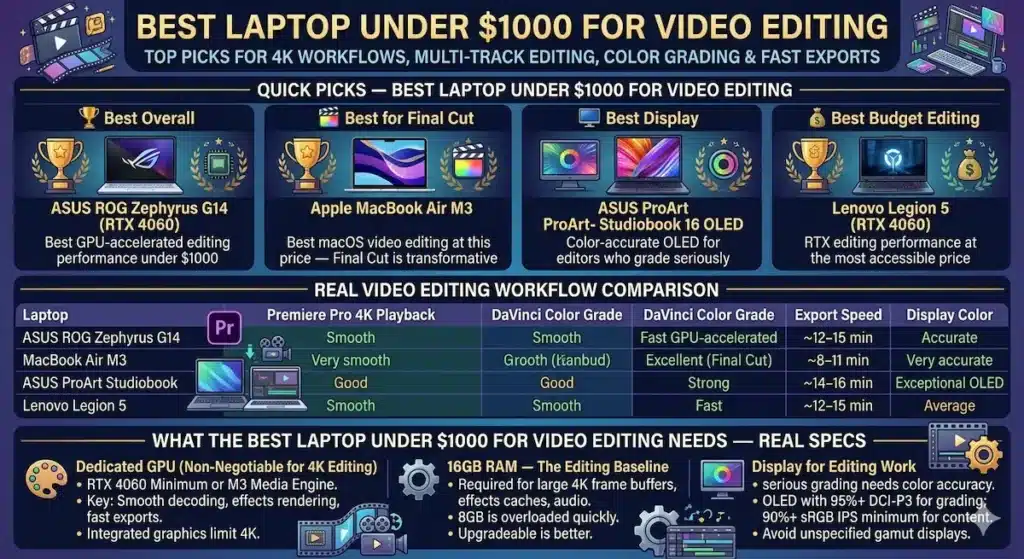
CPU vs CPU, GPU vs GPU — translated from spec sheet numbers into what they actually mean for your specific workload. I’ve done enough side-by-side testing to know when the difference is real and when you’re paying for marketing.
Budget Laptop Buying
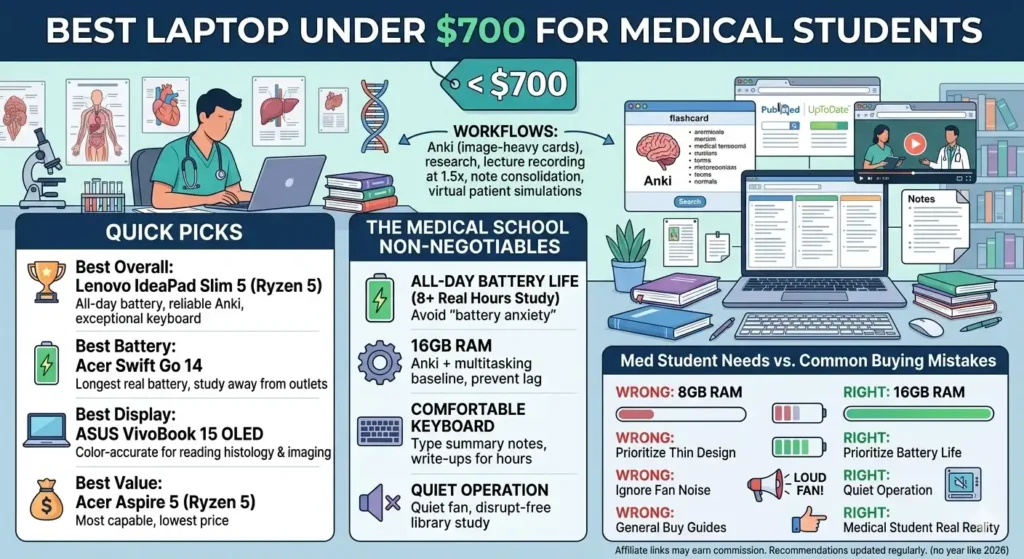
The $400–$700 range is where most people are actually shopping, and it’s where the most misleading advice lives. I’ve tested enough budget machines to know which compromises matter and which ones don’t.
Gaming Laptops
Thermal management, TGP configurations, and whether an RTX badge on the lid actually delivers what you’re expecting at the title and settings you play. Spoiler: sometimes it doesn’t.
Student & Work Use
Portability, battery reality, keyboard quality, and what “good enough for class” actually looks like when you’re on campus from 8am to 8pm. I care more about your fourth hour than your first ten minutes.
Laptop Longevity
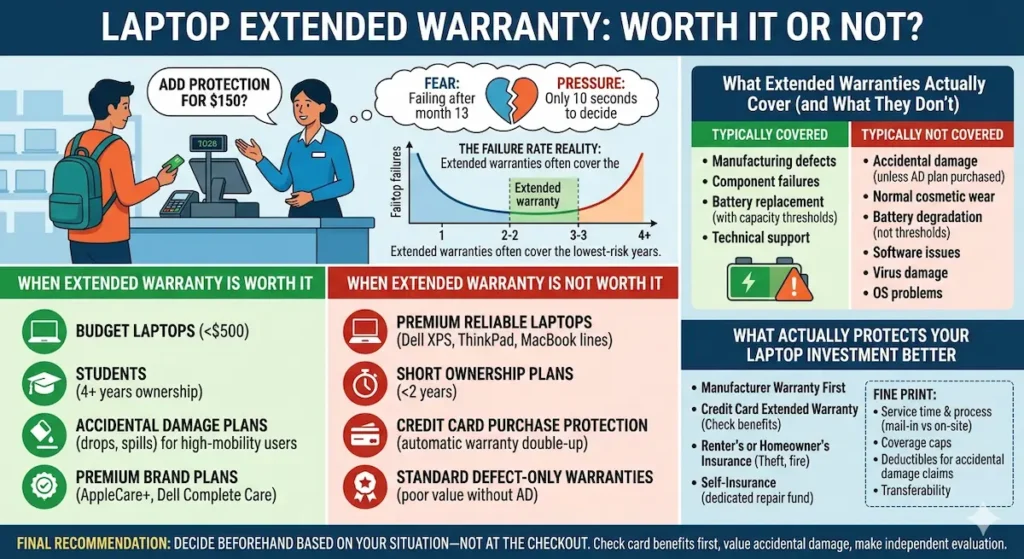
Battery habits, thermal maintenance, storage management — the practical things that determine whether your machine is still useful at year five or frustrating at year two.
Honest Verdicts
I don’t recommend everything. Some laptops in popular price ranges are genuinely not worth buying. I’d rather tell you that than push you toward a commission.
Background
I’ve worked in IT administration for over eleven years. The bulk of that career has been in virtualization — deploying and managing VMware and Hyper-V environments, handling infrastructure provisioning, and keeping enterprise systems stable across mixed hardware fleets. It’s technical work, and it means I spend a lot of time thinking about how hardware actually performs under sustained load — not in ideal conditions, but in the kind of environment where something is always running in the background.
That context shapes everything about how I evaluate laptops. In a virtualization-heavy IT role, you think about CPU core utilisation, memory bandwidth, and thermal consistency in a way that’s different from how a consumer reviewer approaches a machine. When I see a laptop rated for “up to 12 hours battery life,” I automatically want to know what the screen brightness was, what background processes were running, and whether that number holds at the third hour the same way it did at the first. When a chip is called “fast,” I want to know what sustained performance looks like after the thermal limits kick in — not just the boost clock on a cold start.
I’ve also seen what happens to laptops in enterprise environments after eighteen months of real use. I’ve replaced batteries, diagnosed performance drops that turned out to be dust-clogged vents rather than hardware failure, and watched machines with strong spec sheets fall apart because the build quality never justified the price. That experience is harder to get from a spec sheet than it sounds, and it’s what I try to bring into every article I write here.
Best Laptop Guide exists because I wanted to write the kind of analysis I was already doing in my head every time someone asked me what to buy — and I couldn’t find it anywhere else. Four years in, that’s still the goal.
Affiliate & editorial disclosure: Best Laptop Guide participates in affiliate programs including Amazon Associates. Some links in articles written by Marcus may earn a small commission if you purchase through them, at no extra cost to you. Commissions do not influence which products are recommended or how they are rated. Marcus has not received free hardware, sponsorship, or payment from any laptop manufacturer reviewed on this site. For full details, see our Affiliate Disclosure and Disclaimer.